Small Town. Big Life.

Make Hartsville your new home.

We're recruiting our next new neighbors.

In Hartsville, we're building an active, engaged, connected community, and we're inviting people who share our vision to be a part of it. This is a place where downtown is walkable, dinner is local, and your kids' teachers know them by name. Apply, come spend a weekend with us, and when you make the move we'll connect you to the people and networks already here.

Hartsville has it all.

Small town, global feel

Coker University and Sonoco's Fortune 500 headquarters bring world-class arts, culture, and talent to Hartsville. This is culture you'd cross a city for, within a mile of your new home.

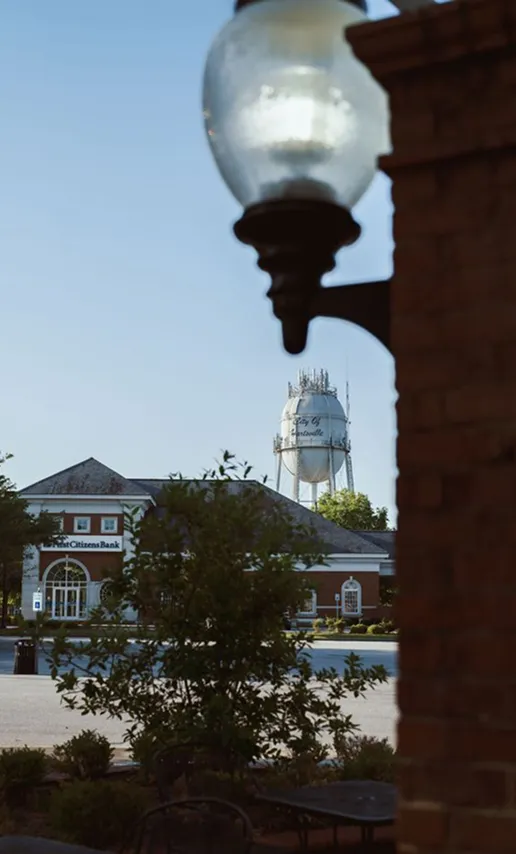
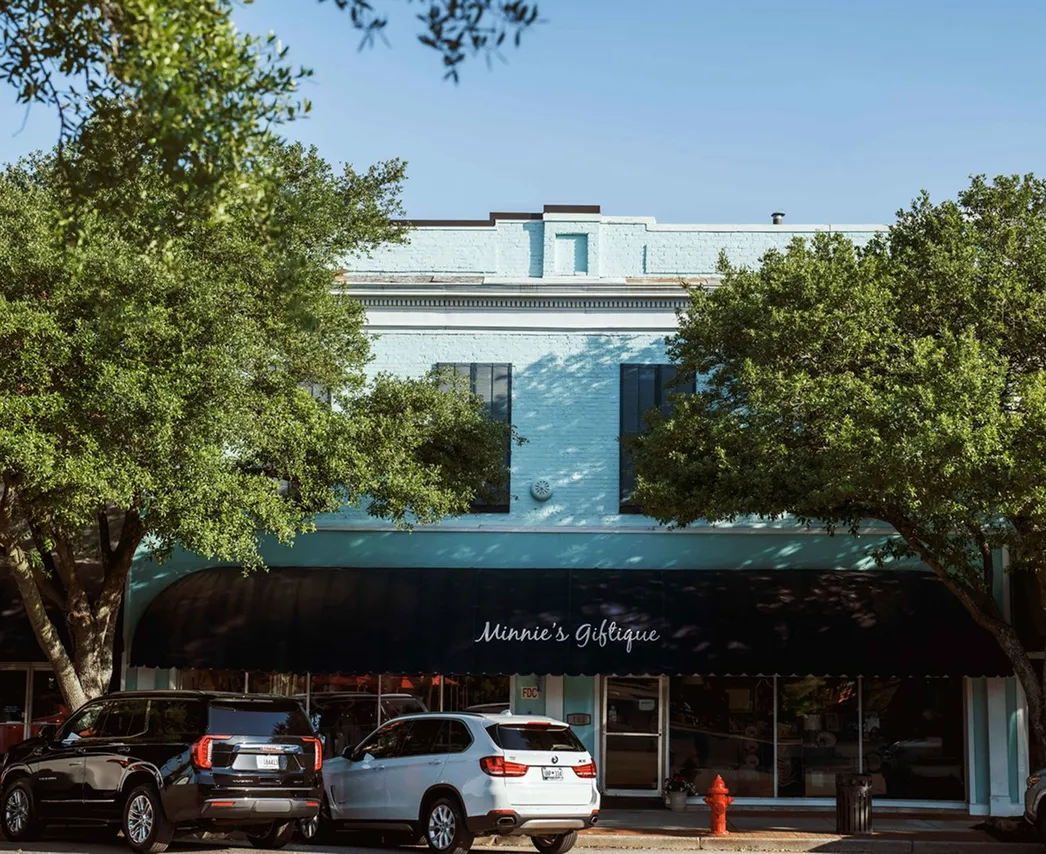
A thriving downtown

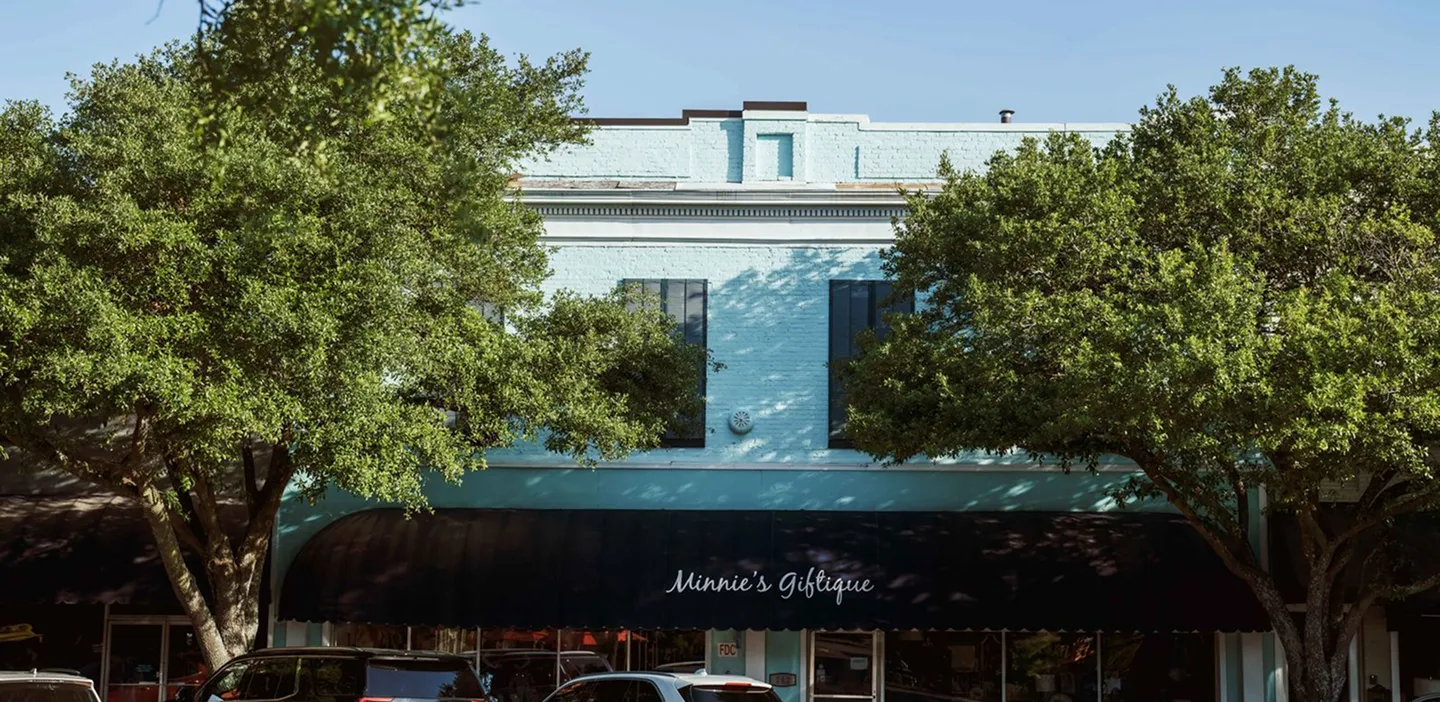
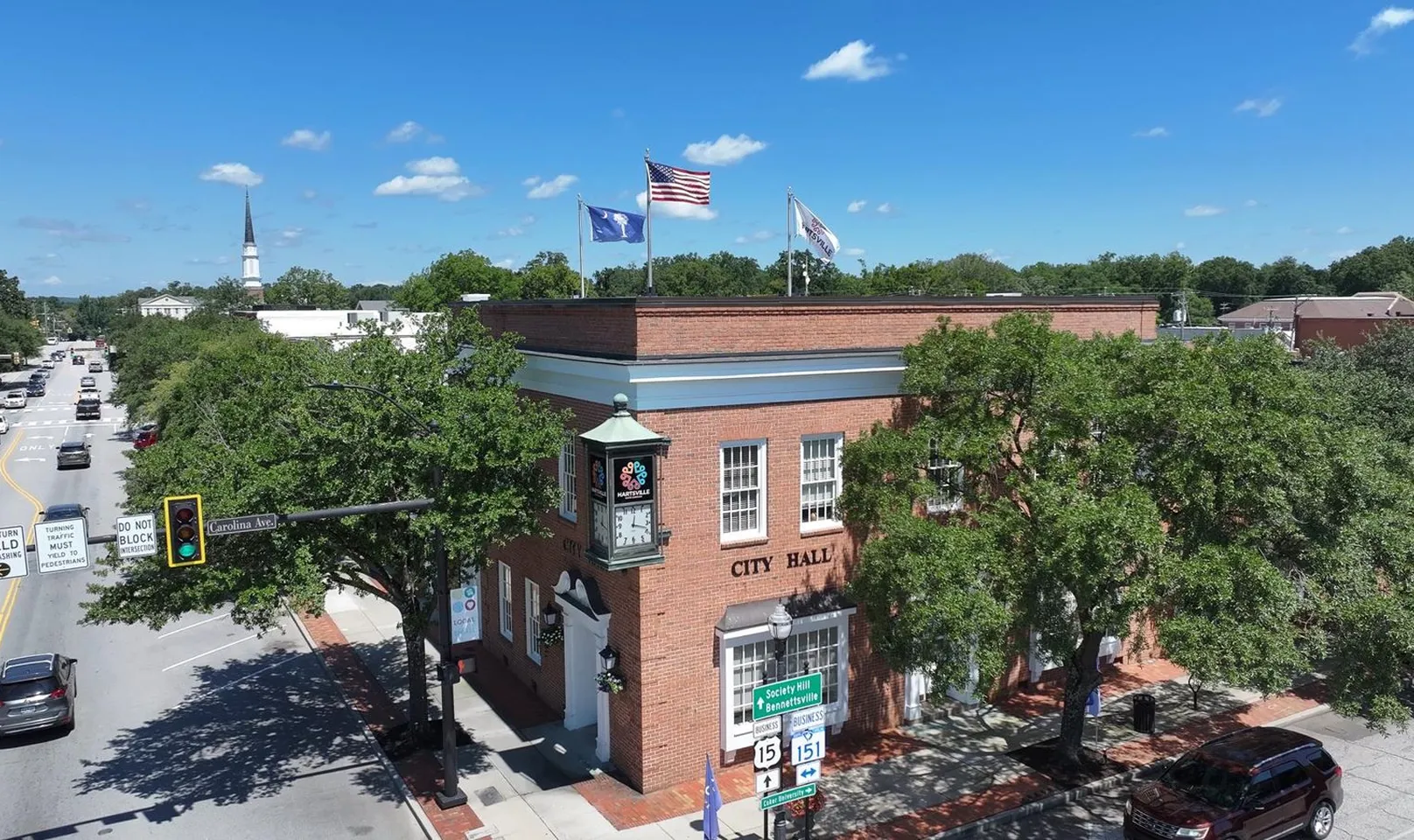
Our thriving downtown is the hub of the community. Storefronts are full, the calendar stays packed, and it's all close enough that "let's grab dinner" doesn't mean a commute.

Make an impact

Hartsville runs on people who show up. Open a business, join a board, coach a team, make an impact. The town has room for what you bring — and you'll see your fingerprints on it.

The Process

01

Apply & connect

Tell us a little about yourself and what you're looking for. A Hartsville ambassador will reach out for a real conversation — no pitch, just questions and answers.

02

Visit the town

Come spend time in Hartsville with your ambassador as your guide. Meet people. See neighborhoods. Eat where the locals eat.

03

Make the move

If it feels right, we help you land — connections, networks, and a community already waiting for you.

Ready when you are.

You won't land alone.

When you move to Hartsville, a resident ambassador helps you find your footing. They introduce you to the people, the places, and the rooms it would otherwise take you a year to find on your own. Coffee on day one. A friendly face from the start.

Discover Stories.

Meet the families, founders, and professionals already calling Hartsville home.

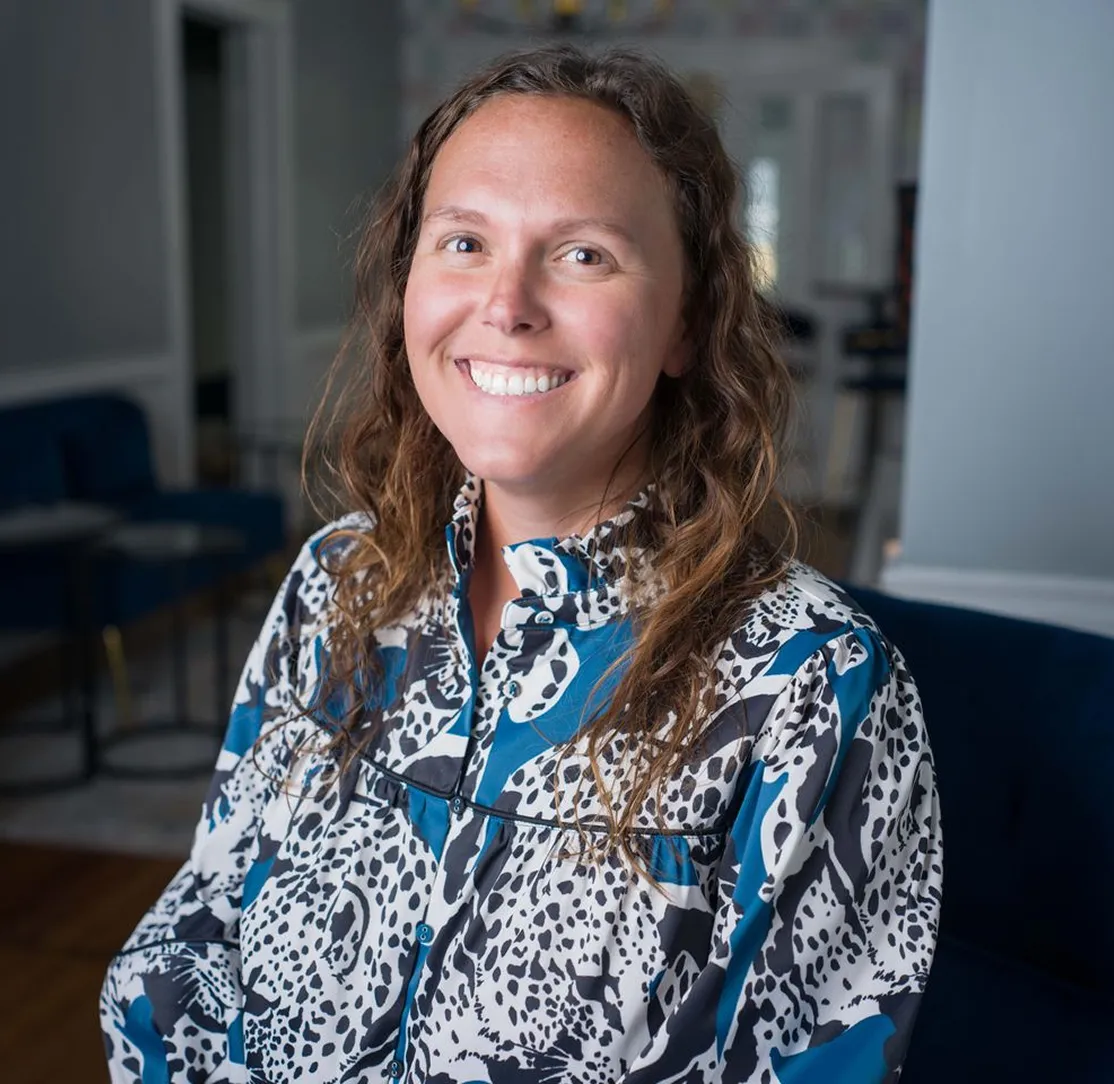
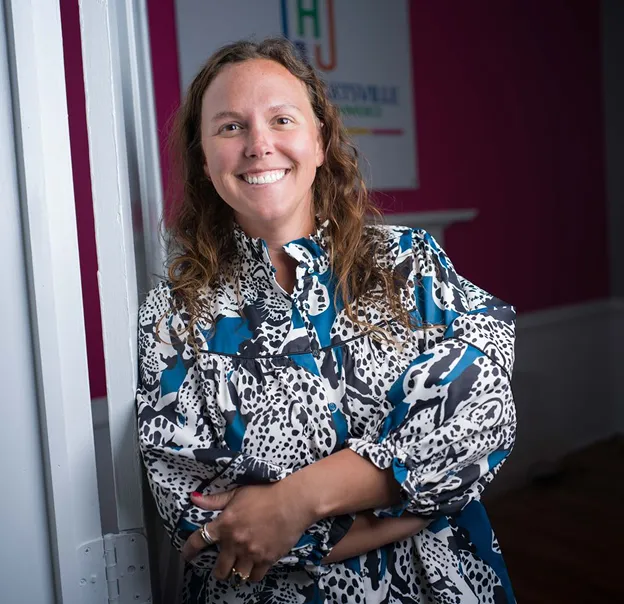
Brianna Douglas

The foundation head who helps turn local ideas into reality

"Dr. Byerly was a doctor in Hartsville who practiced out of his house downtown. He outgrew that and the Byerly Hospital was built just across the street. Because Byerly Hospital was an asset that served this community, when it was sold to a for-profit company, the assets from the sale of the hospital were invested to form the Byerly Foundation as a way to continue supporting the community well into the future. 

There was conversation about how the foundation should be set up and what it should support. Typically, you think about a community foundation. But our leaders, in their wisdom, decided it needed to be a private foundation for a few reasons. The main difference is the IRS requires community foundations to raise a certain amount of money, while private foundations are required to spend 5% of their assets annually. So if you’re a community foundation, you’re trying to raise money in a small community, competing with places like Coker University or United Way. We didn’t want to be seen as competition. We wanted to support initiatives, give to government entities, give to the city, and so Byerly became a private foundation. 

At Byerly Foundation, we have three areas of impact: economic development, education, and social needs. We don’t run programs, we don’t write grants, and we don’t take donations. We’re not asking anyone for money. What we can do is build capacity, financial or organizational, for nonprofits and institutions to solve complex needs. We are a place-based foundation. We fund projects that make life better in the 29550 area. We pride ourselves on having no agenda — any idea can come in, and we help incubate it. We give about a million dollars a year. That’s not just a blank check of money — it’s a blank check of goodwill. 

I’ve been in this role for four years. My husband and I met on a study abroad trip. I graduated early, went to business school, got my MBA, and we moved to England for his graduate work. When we found out we were pregnant, everything changed and we moved back to Hartsville. I had a great educational experience in Hartsville, and my son did too. Many of the same teachers poured into him. He was a student athlete and had opportunities beyond the classroom, including an internship at MUSC. He developed valuable skills — communication, professionalism, time management. Activities through church grounded him, and I don’t know if he would have had the same experience in a bigger city.

My daughter has a different path. She attends Florence-Darlington Tech full time. She has a college schedule and will graduate with her associate’s degree. It’s an incredible and affordable opportunity. 

Hartsville is a unique place where tradition meets innovation and progressiveness, and that combination makes it a great place to raise a family. We’ve lived in big cities, but we wanted a place that was connected — a place where it was easy to build relationships but still connected to the wider world. That’s where the magic happens, and that’s Hartsville."

Byerly Foundation

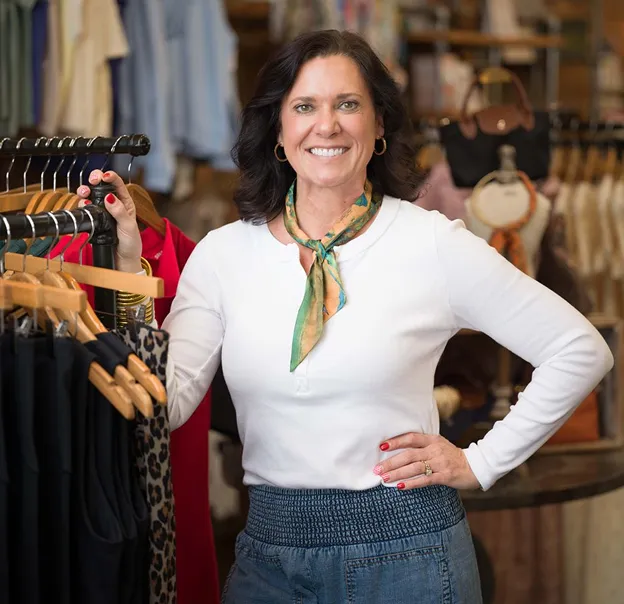
Chrissy Peach

The boutique owner who keeps fashion personal in an online world.

"Raised Down South has been in business since 2015. A friend of mine originally opened it and asked me to help her with it. When she decided she was moving away, she asked me if I was interested in purchasing the business. I was! I went to school for small business management and I had always wanted to own my own business, boutique or not. 

I absolutely love this business. I love fashion, obviously, but it's really the people and building relationships that I love the most. Living and running a business in a small town is the best because you get to know people. Obviously there’s a lot of competition online, but you get to know your customer. I have to depend on good customer service to keep them coming back, because there's a lot of online competition and things small businesses cannot compete with. 

As a boutique, our goal is to cater to all ages. We're always trying to be on trend, but also timeless. It's a small town, so you don't want to come here and then walk next door and see the exact same thing so we try to carry brands exclusive to Raised Down South. We're a clothing boutique first and foremost, but we've added a jewelry bar, charm bar, a hat bar — customized things — and we're getting into more giftable items. 

I have very loyal customers and good relationships with them. I feel like downtown has grown tremendously since we've opened. Hartsville is a good place to live. Everybody knows everybody. Hartsville supports Hartsville.”

Raised Down South

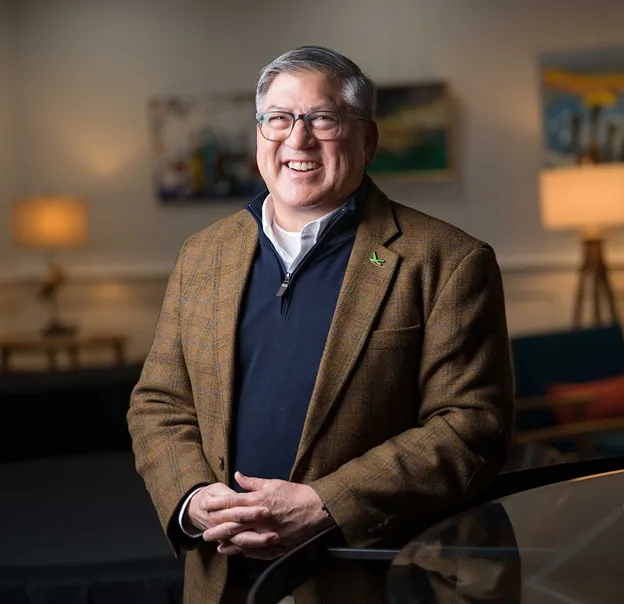
Curtis Lee

The veteran who came home and started rebuilding downtown.

"About 20 years ago, I came to Hartsville to work for Sunoco Products Company. It became home for me and my young family. In the military, I spent time overseas rebuilding and renovating areas, so when I came back from my last appointment in 2010, I wanted to give back to the community. I saw how some things we had done overseas could benefit downtown Hartsville and that really started my journey of being involved. We found a neighborhood right outside the Governor’s School that needed some care, so started helping there. That led to someone asking me to chair a new organization called the Community Foundation for a Better Hartsville and we worked with the city and key stakeholders on different projects.

At the same time, I always wanted to be an entrepreneur, but like most people, I had a steady job, a family, and commitments. Through that board, one of our members, Steve, who was the original downtown developer for Hartsville, approached us with a project. He said he wanted to buy the old Kimbrell’s Furniture building downtown and convert it into something, but he needed partners. I felt like there’s never a perfect time to jump into something like that, but I also felt like I was being called to take the opportunity. I didn’t have a background in it, but I trusted Steve and so we jumped in. There were five owners doing the project and we’re still open 10 years later.

The Riparian came about as part of our work with the board looking at recreational trails. There’s an old rail line owned by CSX that runs from Hartsville past the Shaw plant and up toward the nuclear power plant. It’s abandoned now, and we thought about converting it into a recreational trail. We were looking at properties along the route for trailheads — places where people could park and connect to activities like kayaking on Black Creek, which runs down to Prestwood Lake. One property we looked at was right on the creek. 

This building used to be a locally-famous dive bar and when it came up for sale, I bought it. Around that time, I was interested in the idea of civil discourse and bringing people together. A friend of mine had set up a social club in London for war correspondents, and I liked that concept. I didn’t want to compete with country clubs, so this would be a social club and a place that brought together different people who wouldn’t normally interact. The goal was to create a space where people could meet, share ideas, and maybe collaborate on projects.

I ran it as a full membership club for a few years. I brought in speakers on topics like human trafficking to build awareness. Now it’s mostly used for rentals and events, but it still hosts meetings regularly. My wife has a women’s group that meets here, and we’ve hosted several community events.

I’ve invested in Hartsville because I believe that if a place is your home, you should want it to be the best it can be. It’s just like your house — you don’t do the bare minimum. If you’re proud of where you live, you want to improve it. And in Hartsville, it’s easier to get involved and have an impact than in a large city. You can make meaningful contributions here. If we need something in Hartsville, we can get a group together and make it happen. That’s something unique here. You see different people and groups all contributing. Our downtown has over 90% occupancy, which is phenomenal. There’s a strong foundation here, and people have historically stepped up to protect it. We like taking properties and turning them into something special. It’s a double win: you remove an eyesore and create something new that people wouldn’t expect in a town like this. There’s a rich history here. Hartsville once had one of the highest concentrations of millionaires per capita in the country. It was a hub for the cotton market. There’s something in the DNA of this town — vision and entrepreneurial spirit.

The community is also open to people who are newer to the community being involved. I think part of that is because Hartsville has a Fortune 500 company, a university, the Governor’s School, a nuclear power plant up the road, and a hospital. Hartsville is used to people coming in from the outside and have embraced that.

What I like about Hartsville is the variety. You can live downtown in an apartment or on a 15-acre farm and still be five to ten minutes from everything. You don’t have to deal with the traffic of a big city. If you need the amenities of a bigger city, Florence is 30 minutes away, Columbia is about an hour, and Charlotte is a couple of hours.

What I love about this community is that Hartsville feels bigger than it is. Even though the population is small, there’s a lot happening because of the college, major employers, and infrastructure. You also see a lot of people who leave and then come back. It’s a great place to raise a family. There’s a strong sense of connection.

Like anywhere, you get out of it what you put in. But here, it’s easy to get involved and make a real impact."

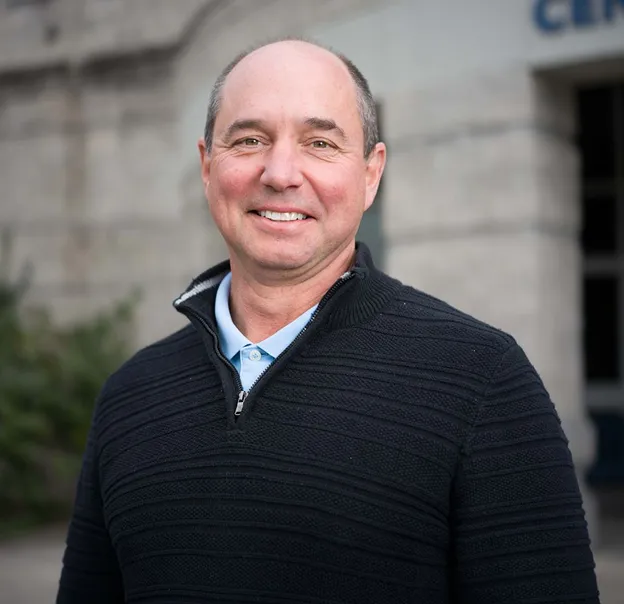
Danny Dorsel

The alum from the first class who now helps run the school.

"The South Carolina Governor's School for Science and Mathematics was formed to serve the students who are highly talented, motivated, and STEM-focused. It opened in 1988 as a public high school and operated on Coker's campus until the early 2000s. When Milliken donated the land we are on now, we were able to build our own campus and expand from 128 students to 288 11th and 12th grade students. 

Students enter the school in 11th grade and need to be a resident of South Carolina to apply. The application is very similar to college: teacher recommendations, an interview, essays. We usually have two to three candidates for every available spot, so it’s highly competitive to get in. Tuition is free upon admission. We have a meal fee, but there’s financial aid for it and about 30% of the students get it all waived. For that group of students, we’ll also pay for things like prom dresses, eyeglasses, and we’ll pay for their parents to go on the college visits with them.

100% of our graduates go to college, and 80% go to graduate school. 

We’re just topping 3,000 alums with this graduating class around the world. Ninety percent of our faculty hold PhDs in their content area. We’re ranked number one in the state and number four in the country for public high schools. We partner with about 40 different businesses across the state, and between Junior and Senior year, our kids do six weeks of research in graduate-level labs like USC, Clemson, and MUSC. 

This place is home for me — I was in the first graduating class back in 1990. I love everything about this school. The students are just awesome. We have two interviews going on today, one for a vice president position and one for a Spanish teacher and the best part is when the candidates get to eat lunch with the kids or get a tour. It’s just refreshing to see how motivated these kids are. They're talented. They’re well-behaved. It’s hopeful to be here. It’s hopeful for the future.

Many of the kids that come to us come from very underserved areas and education is the way out of poverty. Education is the way out of conflict, because you can learn to communicate. We have a big global component too, so students are learning how their education integrates into the rest of the world, too. This is a transformative education. It can be transformative in that our goal is not to create scientists or mathematicians. Our goal is to give students a great foundation academically and holistically and explore other interests. We have 16 sports. That understanding of how to meet a challenge, get knocked down and get back up again is invaluable in relationships, in work, and in life.

I think Hartsville has great diversity for a small town. You’ve got us and Coker, then Sonoco, Duke, attorneys, doctors, business owners, farmers. It’s a mix of people. We moved from Atlanta where I was a principal of a high school. Atlanta is massive, and we wanted to raise our four kids in a small, wonderful community. That’s Hartsville."

South Carolina Governor’s School for Science and Mathematics

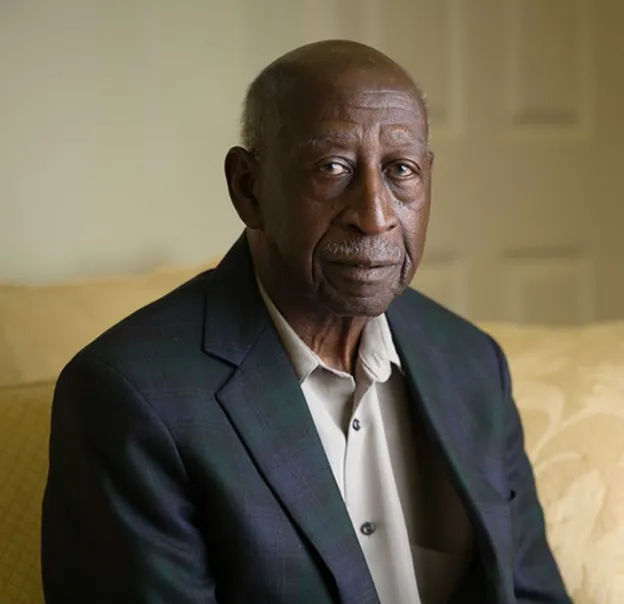
Dr. Alvin Heatley

The Butler High grad who went to jail in the 1961 sit-ins.

“I am the second child born to Annie and Benjamin Heatley. I was born in 1938 and graduated from Butler High School in 1956. I went to South Carolina State College in Orangeburg, graduated in ’61, and was at the heart of sit-ins in HBCUs across the country at that particular time.

I knew I wanted to be involved in the Civil Rights movement before I left Butler because I sat in a history class studying the Constitution, and what I was learning about the Constitution in writing was not what I saw in practice. My mom always, when she sent me someplace, gave me a particular time to leave and a particular time to come back, because things could happen, especially to Black young men. So, when I became aware of the state of things in America, I wanted to do something. I learned more after I graduated, about Brown versus the Board of Education and other events, and that influenced what I did. At South Carolina State College, we were reminded almost every day in class that people didn’t expect much of us, that we weren’t expected to do good and great things. But at home, my mother and my grandmother talked about education and how important it was. They talked about how we were going to get an education and do great things, and that’s the expectation I lived with.

One of the most important things that happened to me happened when we were demonstrating at South Carolina State in 1961. I was a senior, and because we were so close to graduation, other students were deciding whether they were going to participate or not. I had to decide, too. My mom was very strict about education being the reason I went to South Carolina State and what I was supposed to do when I was there. When I left to go to college, she said, ‘You’re going to school. That’s what you’re going for, and that’s what I expect you to do.’ So I had to think hard about going to the sit-in because I knew I was going to get jailed. I didn’t care about the police, I cared about what Annie Heatley was going to say. 

I decided to go to the sit-in because there was a young lady who was blind who lined up to go to the sit-in. I saw her and said, I’ve got to go too. I can’t let her do that and not participate. I asked myself, what kind of contribution are you going to make to this world? That’s the kind of stuff that goes through your mind.

I decided to go to the sit-in and I went to jail. I didn’t really talk about it with my mother. She found out about it, of course, but turns out she was more upset that I contemplated not going. When you have six children to raise, and you were brought up in a segregated society, what do you want your children to do? Do you want them to continue to be oppressed? How can they play a part in what is expected if you want them to gain what is worthy? If you don’t do something to help the situation, then why are you living? What is your life? What are you going to contribute? 

With the sit-ins, it was my turn. People who came before me built, they participated, they did things to make the world better for everybody else. And it was my turn. I don’t care about legacy. All I want to do is make sure that this community is better after I’m gone. That’s all I care about.”

Murphy Monk

The chamber president who grew to 500 members in a town of 7,000.

“The people of Hartsville are what make it a great place to do business. This is a community that bands together in good times, bad times, all the time, for better, for worse. And because of that, our business community is strong and growing. 

We have 500 chamber members in a town of 7,000. That’s very strong. We have really focused on community education and started a series called ‘State of’: State of Education, State of Healthcare, State of Industry, State of Manufacturing, State of Agriculture. We're going to do one with the city — State of Hartsville. The focus of the series is to provide people with information about the community, what our strengths are, and how to capitalize on that. 

I love living in Hartsville. I’ve lived in bigger cities and I joke that ‘I don’t want to do admin in my personal life’. When I lived in Charleston, it took 45 minutes to go two miles. Being a parent, you have to do so much math — if I need to be somewhere by 5:30, you have to figure out the fastest way to get there and then guess what traffic might be like. There’s so much logistics in just living day-to-day. Here in Hartsville, I drop my daughter off at school every morning at 7:30 and I’m at the office by 7:37. That’s a beautiful thing. You don’t have to plan where you want to go for dinner — you just drive downtown and walk to wherever you want to go. 

When you live in Charleston, you don't do Charleston every day. You're broke because your rent is $2,500 a month. If you're a remote worker, you could live here and have so much money left over to experience the world. You can travel and see the world, and you're not blowing all your cash living in a city you can’t afford to experience. Hartsville’s location makes it so I can have a small town quality of life with access to all the bigger things. I can be at the Charlotte airport in an hour and 42 minutes and a flight anywhere in the world. 

Personally, I truly feel like it's a community that loves my family. My parents are in Europe right now, and I've had people step up and say, ‘How can I help you with Margaret? Do you want me to pick her up from school?’ That doesn't happen everywhere. You don't know anybody enough to trust them like that. Walking down the street and seeing people smiling that you know. Everything here is a social outing. We have a lot of the conveniences but with a small-town feel. 

We have big city luxuries, but also the small-town connections. It's the best of both worlds."

President of the Greater Hartsville Chamber of Commerce

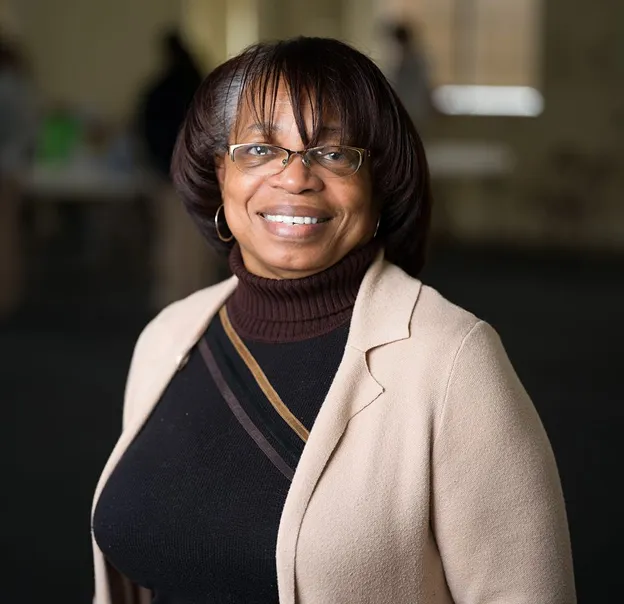
Sheila Squire

The volunteer who's kept Butler's legacy alive for 24 years.

"Butler High School began in 1909 with Rev. Henry H. Butler, who was the pastor for Jerusalem Baptist Church. He started the school to serve African Americans in the community.  A majority of the kids from the local community actually walked to school, and they had buses for the ones that stayed outside of the city limits. The school closed in 1982, the school district used it for the adult school, and after the adult school, the building closed and was used for storage.

But a few teachers and community leaders formed a foundation to save the heritage and the legacy of Butler High School. They collected a lot of funds and were able to construct this building because the original was burned, and get it in order. Over the years, through grants, partnerships, and sponsorships, they started cleaning up the rest of the campus.

Recently, we received a grant from the African American federal grant program for $748,000 to start working on the Fifth Street corridor. The state, under the direction of Senator Gerald Malloy, also secured $500,000 so we could upgrade the gym, pave the parking lot, and address issues in the building, especially the gymtoria. We celebrated our 100th year in 2021 and displayed all the renovations so everyone could see where the money was going.

This building is used for rentals to bring in funds. It’s rented at least four times a month. We also rent the gymnasium, which can hold up to 802 people, and the auditorium, which can hold 234, though we cap it at 200 for tables. The foundation provided funds so we could buy our own tables and chairs. Sunoco also gives us yearly support, and they funded the gated fence around the property.

We serve the community by giving in-kind space. The Boys and Girls Club just completed a $2.2 million renovation to their part of the building, and they don’t pay anything to us. We also provide space for seniors in the old band room, and they don’t pay anything either. On campus, we house LOL STEAM School of the Arts, occupying eight classrooms.

Butler Academy is currently using our space because they don’t have enough room. They use the conference room and auditorium from 8:00 to 2:30 daily. They also use the gym. After that, the Boys and Girls Club uses it, and LOL STEAM uses it for basketball practice. We are at full capacity.

We also run programs. We received a grant to start a community hub, focusing on computer skills, etiquette classes for youth, maternal classes for young mothers, and financial literacy. We partner with SPC Credit Union, which hosts first-time homebuyer programs here monthly. We plan to expand once Butler Academy adds more space.

I also work part-time for the South Carolina Cancer Alliance. I travel across all 46 counties providing education, awareness, and promoting early detection for prostate, colorectal, lung, breast, and cervical cancer. We partner with MUSC, Prisma Health, McLeod Health, Genentech, and CareSouth Carolina. We bring doctors with us to provide PSA testing and have even worked in prisons.

I grew up in Hartsville. My mom brought me here from New York when I was six, and I claim Hartsville as my home. I’m a graduate of Butler High School, Class of 1977. 

I’m thankful that teachers and the community came together to save this place. People trust us. They feel comfortable coming here because they see we’re giving back. Every year we host Heritage Week from June 27 to July 4. We have about 10 events, including a golf tournament, basketball games, youth day, gospel fest, alumni meetings, a banquet, and a parade. The alumni banquet alone can raise $68,000 to $80,000 in one night. The community welcomes us. They watch what we do, and they see that we have their best interests at heart. They trust us. We draw large crowds for events and forums. We have a blood drive and health fair coming up with the Red Cross and the Cancer Alliance.

It’s hard running an organization, especially as a woman. I’m the first in this role, and I had big shoes to follow. I still lean on mentors like Dr. Heatley and Chris for guidance. I get an idea and go with it. We created a courtyard with benches funded by alumni. We’re planning to develop the cafeteria into a café and performance space. We’re also exploring a music room, a library or museum, a recording studio, and a fitness room for seniors. We want the campus to generate its own revenue. We’re always looking for partnerships to help us grow stronger. I do believe it’s who you know that helps you get where you want to go. You never know when you’ll need someone. Being part of the chamber is important because it connects you and gives you the tools to navigate the community.

I’ve been with this organization for 24 years as a volunteer. I’m passionate about it. I’m not doing it for me — I’m doing it for the generations behind me so the legacy of Butler continues."


Butler Heritage Foundation

This is Hartsville.